
2019 Web Design Trends: Creativity That Drives Conversion
Did you know that 88% of online consumers are less likely to return to a website after a bad user experience? (
Capture visitors' attention with creative marketing elements that aren't the "usual suspects." For example:
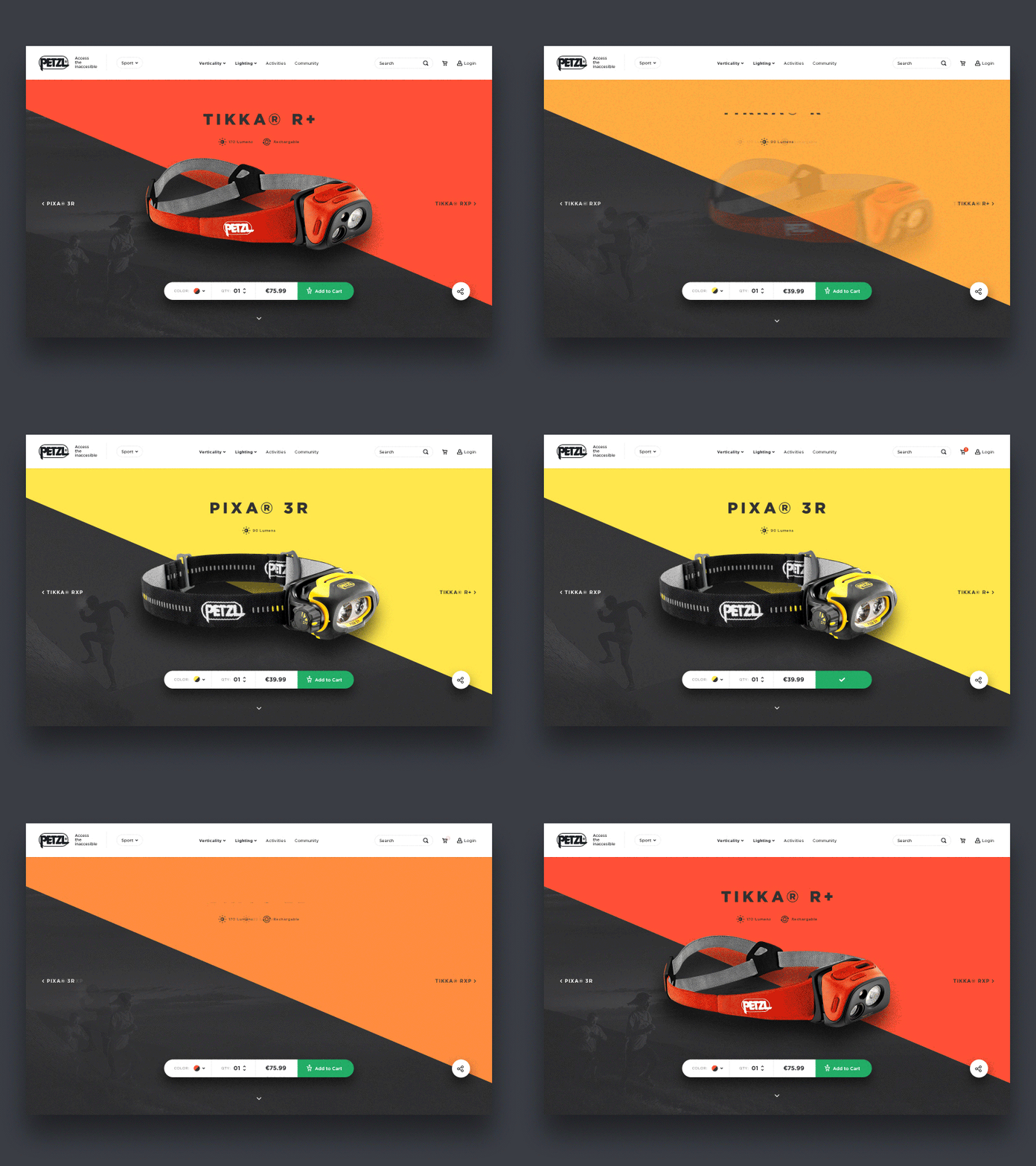
- Asymmetrical layouts to convey dynamism and draw attention to particular content.
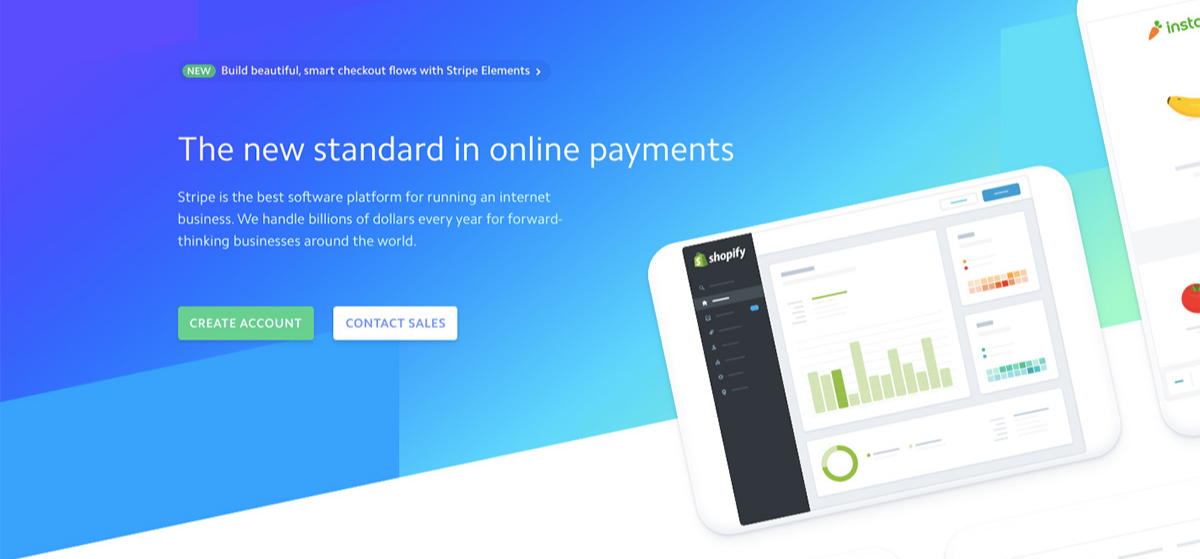
- Gradient with bright, luminous colors to create depth and texture while adding visual interest to the page.
- Diagonal lines to direct the visitors' eyes to important elements on the page, e.g., the call-to-action.
- Vibrant colors to capture attention and communicate a bold brand image.
- Drop shadow and two-tone color scheme to create a three-dimensional effect on otherwise simple designs.
- Large, attention-grabbing page titles using bold typefaces to grab attention and communicate a unique brand identity.
2. Video + Animation
{% video_player "embed_player" overrideable=False, type='scriptV4', hide_playlist=True, viral_sharing=False, embed_button=False, autoplay=False, hidden_controls=False, loop=False, muted=False, full_width=False, width='1920', height='1080', player_id='6285930384', style='', conversion_asset='{"type":"CTA","id":"dcc2f4f9-fd94-469a-b489-98a73b0bc1c3","position":"POST"}' %}Video and animation can grab attention, accentuate your brand image, entice visitors to consume your content, and increase customer engagement.
Here are some latest trends to consider:
- Dynamic full-screen video background to capture attention while communicating a key brand message within a short duration.
- Various animation techniques to add visual interest, highlight key content, and increase engagement, e.g.,
More websites are incorporating interactive features, which not only capture attention and increase the time visitors spend on the site but also effectively communicate key information or visualize data to illustrate the brand's relevance.
In addition, you can use interactive elements to present personalized content and product recommendations (e.g., calculator or product selector.) The goal of compelling web design is to create an engaging customer experience while delivering the most appropriate information to educate your customers, build trust, and increase conversion.
4. Usability + User Experience (UX)
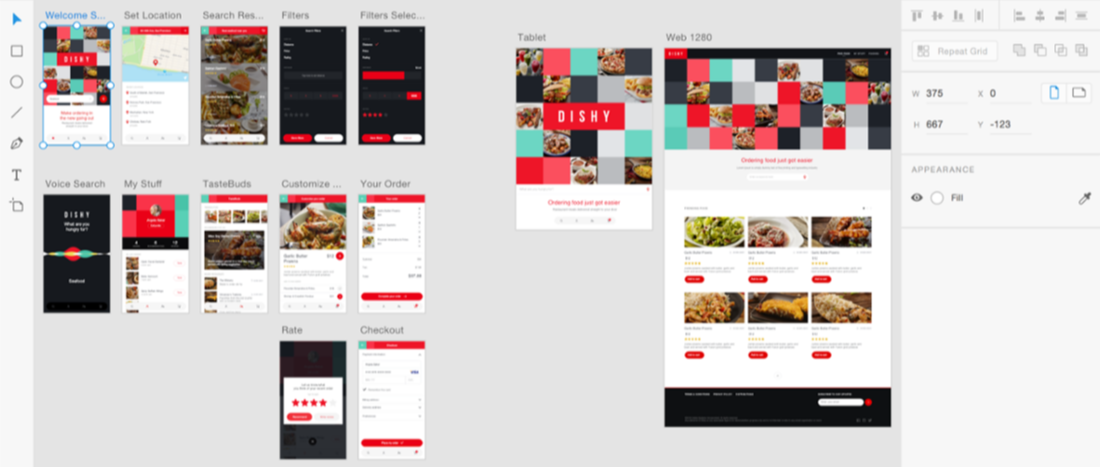
Poor usability and UX design creates a frustrating customer experience and will lower your conversion rate. Pay attention to current
In the past, most website designers didn't give much consideration to persistent elements such as header and footer. However, they present unique opportunities for providing helpful information and augmenting the user experience.
For example, you can rotate the website header to show a different image every time a page reloads or on different pages to present a call-to-action that's most relevant to the content on the page.
You can also beef up the footer to include relevant links and an expanded navigation menu, as well as a search box, newsletter sign up, social media icons, and more, to make it easy for users to find the information they need.
Conclusion: Web Design That Converts
Making your website look nice is only the first step. Your goal isn't to win the "prettiest website award." By incorporating the elements listed above your website should exceed customer expectations so you can maximize your ROI, build trust, educate visitors, and generate sales.
We are a Web Design RI agency who has helped companies grow both locally and nationally. If you're serious about achieving aggressive sales goals, connect with our team! We'll partner with you to develop and implement a website that will help you realize your business objectives. Click below to learn more about our process.
{{cta('7c62d1c7-a538-4881-a51a-87da6bfda5d9')}}



.jpg)